Who Is James Daniel Sundquist? Everything to Know About the Man Who Claimed to Be Jimi Hendrix’s Son

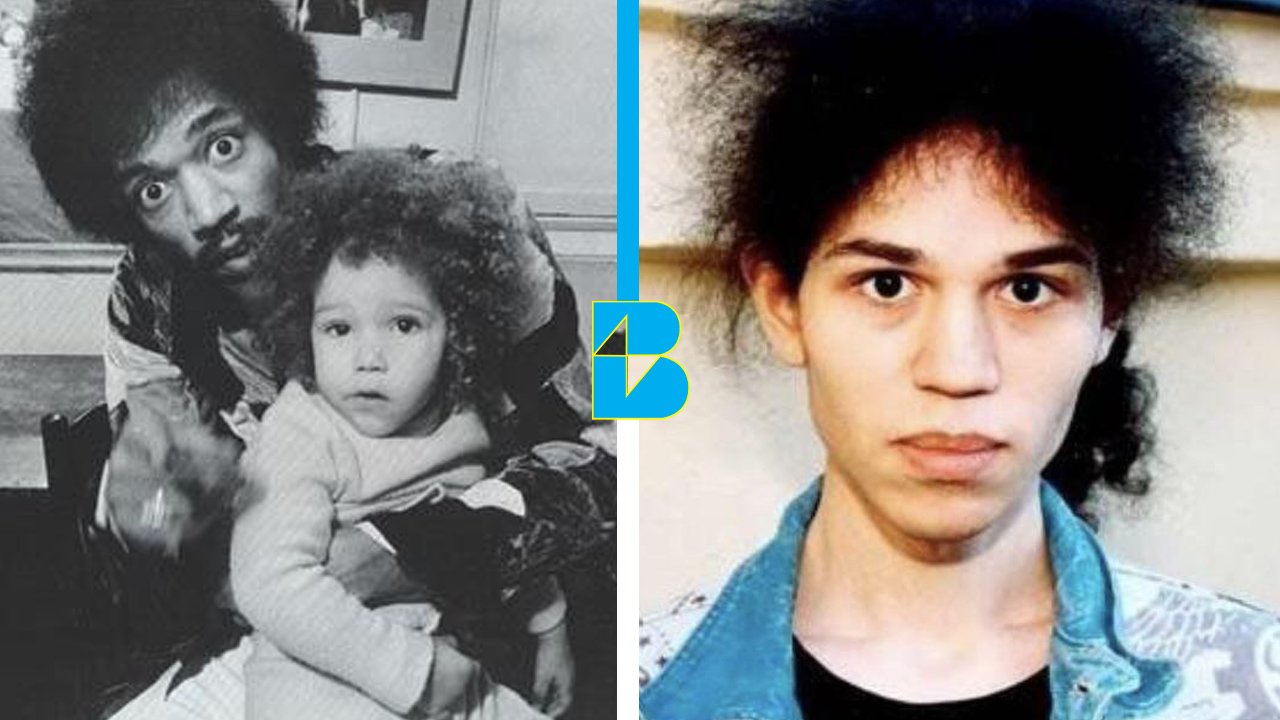
James Daniel Sundquist is a Swedish man born in October 1969 whose mother, Eva Sundquist, said he was conceived after she met guitarist Jimi Hendrix during his 1968 tour of Sweden. A Swedish court affirmed a paternity judgment in 1975 recognizing Sundquist as Hendrix’s biological son, though that determination was never formally accepted under United States law, leading to a lengthy legal dispute over Hendrix’s estate decades later. This article gathers the verified facts about James Daniel Sundquist, the paternity claim connected to his birth, and the legal battle that followed.
James Daniel Sundquist: Quick Bio Table
| Category | Details |
|---|---|
| Full Name | James Henrik Daniel Sundquist |
| Born | October 5, 1969, in Stockholm, Sweden |
| Mother | Eva Sundquist |
| Claimed Father | Musician Jimi Hendrix |
| Swedish Court Ruling | 1975, affirming Hendrix as biological father |
| US Lawsuit Filed | March 1994, in California |
| Estate Value at Dispute | Estimated between 30 and 90 million dollars |
| Known For | A decades long paternity and inheritance dispute connected to the Jimi Hendrix estate |
Eva Sundquist’s Encounter With Jimi Hendrix
Eva Sundquist met Jimi Hendrix in Stockholm in 1968, during his tour of Sweden as part of his rapidly rising career as one of the most influential guitarists in rock music history. According to the language used in the subsequent Swedish court proceedings, Eva and Hendrix had what was described in official court documents as two complete acts of intercourse during this period, an encounter that Eva said resulted in her pregnancy. James Daniel Sundquist was born on October 5, 1969, in Stockholm, a little less than a year after this reported meeting.
Hendrix toured extensively throughout Europe during this period of his career, and encounters between touring musicians and local admirers were not unusual within the rock music scene of the late 1960s. Eva’s account of meeting Hendrix during his Swedish tour fits within this broader pattern of the era, though verifying any private encounter between two individuals decades after the fact presents inherent difficulties, particularly in the absence of DNA testing, which did not yet exist as a forensic tool at the time of Sundquist’s birth.
By 1968, Hendrix had already released his groundbreaking debut album and was in the midst of a period of rapid international success, touring extensively across both the United States and Europe as demand for his music grew dramatically following his breakthrough performances the previous year. This period of intense touring meant Hendrix spent significant time abroad, encountering countless fans and admirers across multiple countries, a pattern of constant travel that has made verifying specific personal encounters from this period of his life particularly difficult for researchers and legal proceedings alike in the decades since.
The 1975 Swedish Court Ruling
In 1975, a Swedish court affirmed a paternity judgment declaring that Jimi Hendrix was James Daniel Sundquist’s biological father, a ruling made without the benefit of DNA testing, since the technology to conduct such tests did not exist at the time. This judgment relied instead on the testimony and evidence available to the Swedish court at the time, including the account of the encounter between Eva Sundquist and Hendrix during his 1968 tour.
This Swedish legal determination represented a formal, court sanctioned recognition of paternity within the Swedish legal system, though it carried no automatic legal weight in the United States, where Hendrix’s estate would eventually be administered following his death. This gap between Swedish and American legal recognition of paternity would become the central issue in the legal battle that followed decades later, when Sundquist sought to claim a share of Hendrix’s estate.
Legal systems in different countries often approach paternity determinations differently, and a ruling issued by a Swedish court under Swedish family law does not automatically carry binding legal weight in an entirely separate legal system such as that of the United States. This jurisdictional gap is not unique to Sundquist’s case and has affected numerous international legal disputes over the decades, particularly those involving inheritance claims that cross national boundaries and require courts in one country to weigh the validity of legal determinations made under another country’s laws.
Jimi Hendrix’s Death and the Estate Dispute
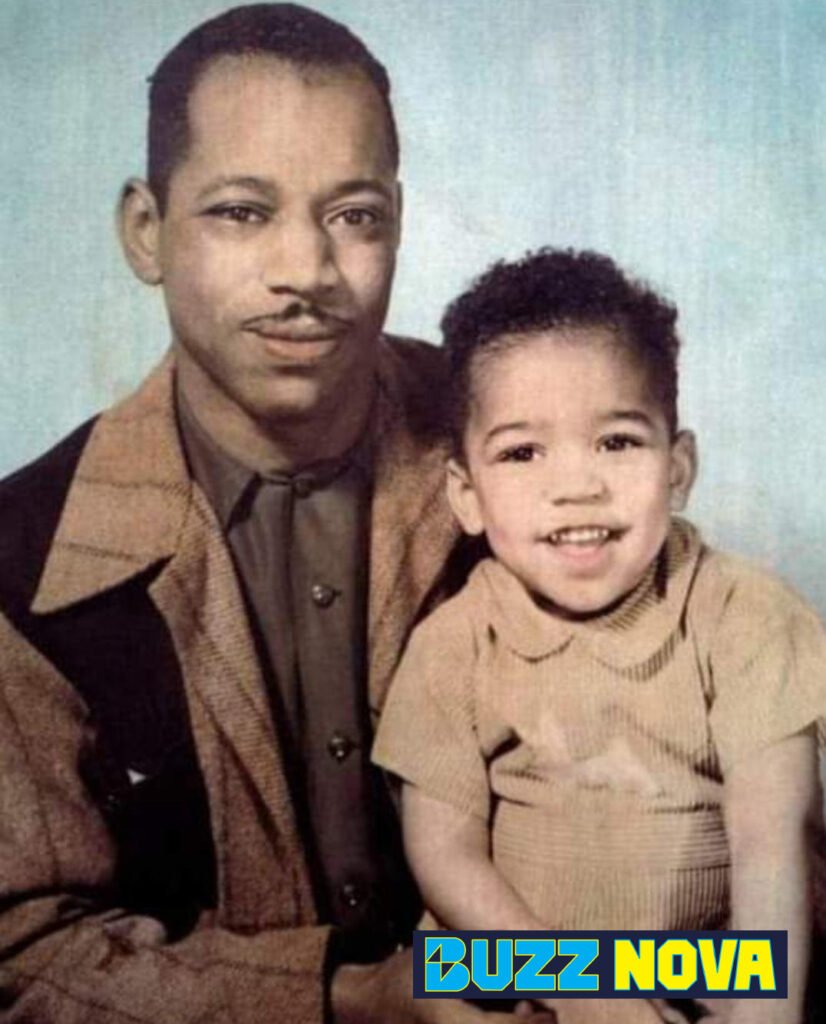
Jimi Hendrix died in September 1970, less than a year after Sundquist’s birth, without leaving a will, a circumstance that left the handling of his estate to be determined through legal proceedings in the years that followed. Hendrix’s father, Al Hendrix, gained control of the estate following his son’s death, a process that did not include any formal acknowledgment of Sundquist as an heir despite the Swedish court’s 1975 paternity ruling.
Al Hendrix never legally acknowledged Sundquist as his grandson, and the estate, which included the rights to Hendrix’s extensive and highly valuable musical catalog, eventually passed to Janie Hendrix, Jimi Hendrix’s stepsister, following Al Hendrix’s death in 2002. This transfer of the estate to Janie Hendrix occurred without any resolution in Sundquist’s favor, despite his decades long effort to establish his legal claim to a share of the inheritance.
The 1994 Lawsuit
In March 1994, Sundquist filed a lawsuit in Los Angeles Superior Court, alleging that Al Hendrix and various attorneys and corporations associated with the estate had maliciously and fraudulently concealed his status as Jimi Hendrix’s rightful heir. At the time the lawsuit was filed, Sundquist was reported to be twenty four years old and unemployed, seeking to claim a share of an estate estimated to be worth between thirty and ninety million dollars, largely tied to the ongoing commercial value of Hendrix’s music catalog and licensing rights.
Al Hendrix’s attorney, Yale Lewis, denied any conspiracy on behalf of the estate and argued that Sundquist’s claims were time barred, since the original paternity determination had been made in Sweden during the mid 1970s, decades before the American lawsuit was filed. This legal argument centered on the question of whether a foreign paternity ruling, made without DNA evidence and without formal recognition under American law, could still support a valid inheritance claim so many years after the fact.
The dispute was further complicated by the fact that both Al Hendrix and Sundquist were, in some respects, pursuing legal action against overlapping parties connected to the management of Hendrix’s estate and the licensing of his music, suggesting that both sides held grievances, even if different in nature, about how the estate’s assets had been handled in the years following Jimi Hendrix’s death.
The Legal Outcome
Sundquist’s legal claim to the Hendrix estate was ultimately not resolved in his favor under United States law, and no DNA testing was ever conducted to independently verify the biological paternity that the Swedish court had recognized in 1975. Confirming the claim through modern DNA testing would have required exhuming Hendrix’s remains, a step that was never taken and that Sundquist himself described as a difficult prospect to consider, even while acknowledging it might be the only way to conclusively settle the question of his paternity.
Without DNA confirmation and without a favorable resolution in American courts, Sundquist’s claim to the estate remained unresolved in the sense that mattered most practically, since he never received a share of the inheritance despite the Swedish legal recognition of his paternity decades earlier. This outcome left the case as one of the more prominent examples of a foreign paternity ruling failing to translate into a successful inheritance claim under a different country’s legal system.
Jimi Hendrix’s Legacy for Context
To understand the scale of what was at stake in this legal dispute, it helps to understand Jimi Hendrix’s significant and enduring legacy in music history. Hendrix is widely regarded as one of the most influential electric guitarists in the history of rock music, known for his innovative playing style and his brief but highly impactful career before his death in 1970 at the age of twenty seven. His catalog of recorded music has continued to generate significant commercial value in the decades since his death, making control of his estate a matter of considerable financial significance for those involved in its administration.
This ongoing commercial value explains why the question of Sundquist’s paternity claim carried such high financial stakes, since a successful claim would have entitled him to a meaningful share of the substantial royalties and licensing revenue generated by Hendrix’s continued popularity long after his death.
Music catalogs belonging to major artists who died relatively young, as Hendrix did, have frequently proven to generate steady and often increasing revenue for decades following an artist’s death, driven by continued album sales, licensing for film and television use, and renewed interest generated by anniversaries and retrospective projects. This pattern of sustained commercial value is precisely what made control of the Hendrix estate such a high stakes matter for all parties involved, including Sundquist, whose claim, if successful, would have entitled him to an ongoing share of this continuing revenue stream rather than a single one time payment.
Why People Search for James Daniel Sundquist
Public interest in James Daniel Sundquist comes almost entirely from his connection to the decades long legal dispute over Jimi Hendrix’s estate and the underlying question of his biological paternity, a case that has been covered by mainstream music publications including Rolling Stone. Fans interested in the full scope of Hendrix’s personal life and the ongoing management of his estate and musical legacy often search for information about this case as one of the more significant legal disputes connected to the guitarist’s inheritance.
Conclusion
James Daniel Sundquist has spent decades at the center of a legal dispute over whether he is the biological son of guitarist Jimi Hendrix, a claim affirmed by a Swedish court in 1975 but never formally resolved in his favor under United States law during the subsequent battle over Hendrix’s substantial estate. Without DNA testing ever having been conducted, the case remains a documented but ultimately unresolved chapter in the ongoing legal history surrounding one of rock music’s most influential and commercially valuable legacies.
Frequently Asked Questions About James Daniel Sundquist
Who is James Daniel Sundquist?
James Daniel Sundquist is a Swedish man born in 1969 whose mother said he was conceived after she met guitarist Jimi Hendrix during his 1968 tour of Sweden.
Did a court ever recognize Sundquist as Jimi Hendrix’s son?
Yes. A Swedish court affirmed a paternity judgment in 1975, though this was never formally recognized under United States law.
Did Sundquist ever receive a share of the Hendrix estate?
No. His 1994 lawsuit in California did not result in a favorable outcome, and the estate passed to Janie Hendrix after Al Hendrix’s death in 2002.
Was DNA testing ever conducted to confirm the paternity claim?
No. Confirming it would have required exhuming Hendrix’s remains, which never occurred.
Why did the Hendrix estate dispute Sundquist’s claim?
The estate argued the claim was time barred, since the original ruling was made in Sweden decades before the American lawsuit was filed.