
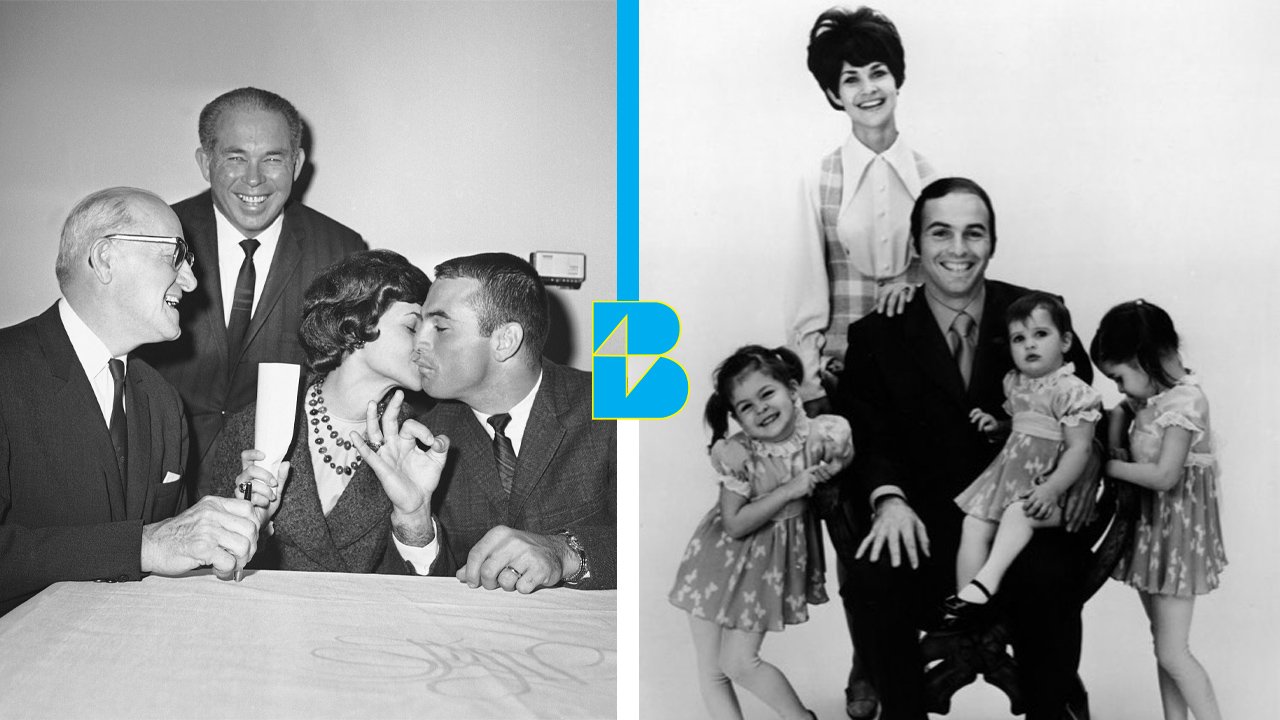
Joy Murrath is the widow of Brian Piccolo, the Chicago Bears running back whose close friendship with teammate Gale Sayers and battle with cancer became the subject of the widely acclaimed 1971 television movie “Brian’s Song.” Joy married Brian, her high school sweetheart, on December 26, 1964, and the couple had three daughters together before his death from cancer in 1970 at the age of 26. This article gathers the verified facts about Joy Murrath, her marriage to Brian Piccolo, and her connection to one of the most emotionally resonant stories in the history of American sports.
Joy Murrath: Quick Bio Table
| Category | Details |
|---|---|
| Full Name | Joy Murrath |
| Spouse | Brian Piccolo, Chicago Bears running back |
| Married | December 26, 1964 |
| Daughters | Lori, Traci, and Kristi |
| Husband’s Death | 1970, from embryonal cell carcinoma, at age 26 |
| Cultural Connection | Subject of the 1971 film “Brian’s Song” |
| Known For | Being Brian Piccolo’s wife and widow |
High School Sweethearts
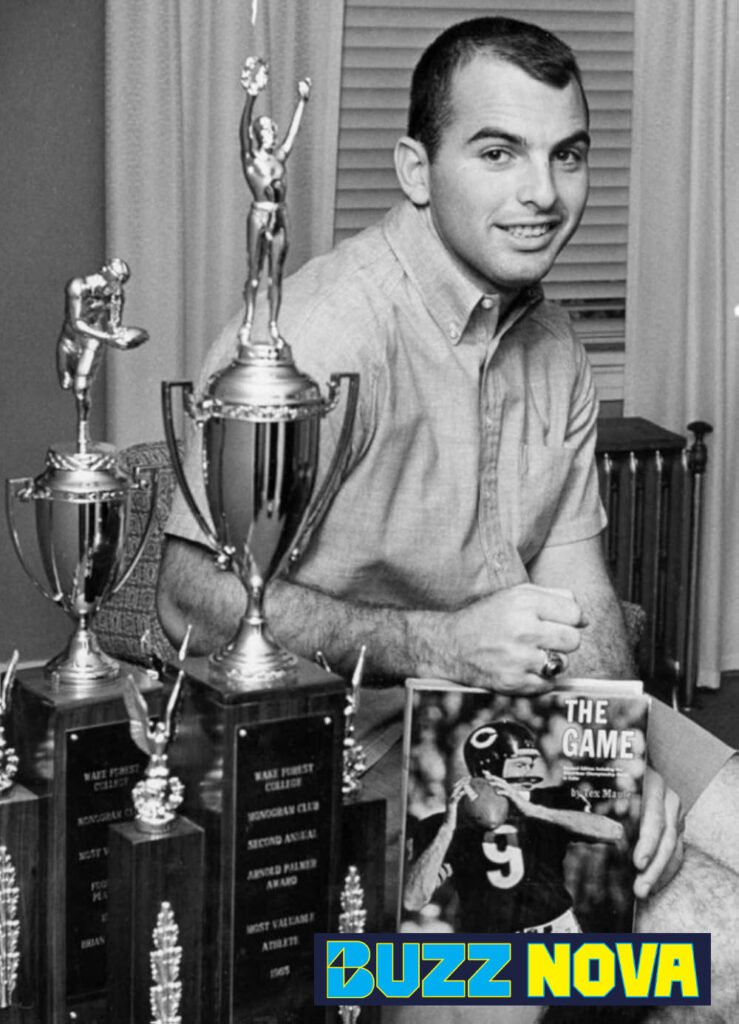
Joy Murrath and Brian Piccolo were high school sweethearts, beginning their relationship years before Brian went on to build his college and professional football career. Their relationship endured through Brian’s years playing college football at Wake Forest University, where he had an outstanding senior season that helped establish him as a notable prospect heading into professional football. Joy and Brian married on December 26, 1964, shortly after his standout final season at Wake Forest, beginning their life together just as Brian’s football career was poised to take the next step into the professional ranks.
This kind of relationship, beginning in high school and continuing through college into marriage, reflects a particularly enduring bond, one that carried Joy and Brian through the uncertainty of Brian’s early professional football prospects and into the years that followed, when he would go on to play for the Chicago Bears in the National Football League.
Brian’s path to the NFL was not entirely straightforward, since he went undrafted out of Wake Forest despite his standout senior season, a circumstance that required him to earn a roster spot with the Chicago Bears through determination rather than the kind of high draft position that typically guarantees a rookie significant early opportunities. Joy’s support during this uncertain period, when Brian’s professional football future remained far from secure, provided a foundation that carried the couple through the early, less certain years of his NFL career before he eventually established himself as a contributing member of the Bears roster.
Building a Family Together
Joy Murrath and Brian Piccolo had three daughters together, Lori, Traci, and Kristi, raising their family during the years Brian spent building his career with the Chicago Bears. Starting a family while Brian pursued a career in professional football meant that Joy managed much of the day to day responsibility of raising their three daughters during a period when professional athletes’ careers demanded significant time away from home for training camps, travel, and game schedules.
This family life took place against the backdrop of Brian’s development as a professional football player, a period during which he worked to establish himself within a competitive NFL roster, including his notable friendship and eventual roommate relationship with fellow running back Gale Sayers, a pairing that would later become central to the story told in “Brian’s Song.”
Piccolo initially spent his rookie season on the Bears’ practice squad rather than the active roster, a challenging start for any young player and one that required considerable persistence before he eventually earned a spot on the team’s active roster in subsequent seasons. This gradual path to becoming a contributing NFL player meant that Joy supported Brian through a career trajectory built on steady determination rather than early, guaranteed success, a dynamic that mirrored the underdog narrative that would later become part of his broader story.
Brian Piccolo’s Football Career and Illness
Brian Piccolo played running back for the Chicago Bears, where he became known not only for his contributions on the field but also for his close friendship with Gale Sayers, a relationship notable at the time for crossing racial lines during a period of significant social tension in the United States. The two became roommates on road trips, an arrangement that was itself unusual for the era given the racial dynamics present in professional sports and broader American society during the late 1960s.
Piccolo was diagnosed with embryonal cell carcinoma, a form of cancer, during his professional football career, a diagnosis that would ultimately prove terminal. He died in 1970 at the age of 26, leaving behind Joy and their three young daughters. His illness and death, and particularly his friendship with Sayers throughout his battle with cancer, became a defining story within the Chicago Bears organization and, eventually, within broader American popular culture following the release of a film based on his life.
Gale Sayers himself spoke publicly about his friendship with Piccolo on multiple occasions following Brian’s death, including during an emotional speech accepting an award named in Piccolo’s honor, in which Sayers famously told the audience that he loved Brian Piccolo, a statement that underscored the depth of their friendship and became one of the most quoted moments associated with the entire story. This public tribute from Sayers helped establish the emotional foundation that would later be dramatized in “Brian’s Song,” cementing the friendship as one of the most significant and publicly celebrated bonds in NFL history.
The Making of “Brian’s Song”
The story of Brian Piccolo’s friendship with Gale Sayers and his battle with cancer became the basis for “Brian’s Song,” a television movie that premiered on ABC on November 30, 1971. The film was seen by an estimated 55 million viewers, representing roughly half of the United States population that owned televisions at the time, making it one of the most widely watched television movies of its era. James Caan portrayed Brian Piccolo in the original film, delivering a performance that became closely associated with the emotional impact the movie had on its enormous television audience.
The film’s success led to a subsequent theatrical release, extending its reach beyond its original television broadcast, and its emotional portrayal of friendship and mortality made it a frequently referenced example of the genre for decades afterward. A remake of the film was later produced in 2001, with actor Sean Maher taking on the role of Brian Piccolo for a new generation of viewers unfamiliar with the original broadcast.
Joy’s Role in the Story
As Brian Piccolo’s wife throughout his football career and his battle with cancer, Joy Murrath lived through the events that would later be dramatized for a national television audience, experiencing both the personal loss of her husband and the subsequent public attention that followed once his story became widely known through “Brian’s Song.” This combination of personal grief and public recognition placed Joy in an unusual position, since the intimate details of her husband’s illness and death became known to millions of television viewers through a dramatized film rather than through her own choice to share the story publicly.
This dynamic, in which a widow’s personal loss becomes the basis for a widely viewed dramatization, created a particular kind of enduring public connection to Joy and her daughters, one tied directly to the emotional resonance of a film that continues to be referenced decades after its original broadcast as one of the most moving sports related stories ever told on American television.
The Chicago Bears organization has continued to honor Piccolo’s memory in the decades since his death, including through the Brian Piccolo Award, presented annually to Bears players who best exemplify courage, loyalty, and teamwork, qualities the organization has directly connected to Piccolo’s own character and his relationship with Sayers. This ongoing institutional recognition has helped keep Piccolo’s story, and by extension Joy’s own connection to it, part of the Chicago Bears’ organizational history well beyond the original release of “Brian’s Song.”
Raising Three Daughters After Brian’s Death
Following Brian’s death in 1970, Joy Murrath was left to raise their three daughters, Lori, Traci, and Kristi, as a single parent, navigating the practical and emotional challenges of widowhood at a young age while also managing the ongoing public attention that followed her husband’s story once it became the subject of “Brian’s Song.” This combination of personal loss and public visibility placed unique demands on Joy during a period when she was also managing the everyday responsibilities of raising three young children.
The continued cultural relevance of “Brian’s Song,” including its remake decades later and its ongoing status as a frequently cited example of a powerful sports related film, has meant that Joy’s story, and by extension her daughters’ story, has remained connected to public interest in the Piccolo family’s history for more than five decades since Brian’s death.
Raising three young daughters as a widow presents significant challenges under any circumstances, and doing so while also managing the public attention generated by a nationally broadcast dramatization of her husband’s illness and death added a layer of complexity to Joy’s experience that few widows of that era would have faced. This combination of private grief and public visibility has made her story a notable, if less discussed, part of the broader Brian Piccolo narrative that “Brian’s Song” brought to national attention.
Why People Search for Joy Murrath
Public interest in Joy Murrath comes almost entirely from her marriage to Brian Piccolo and her connection to the widely known story told in “Brian’s Song,” one of the most emotionally resonant sports films in American television history. Fans of the film, as well as those interested in the broader history of the Chicago Bears and the friendship between Piccolo and Gale Sayers, often search for information about Joy as part of understanding the full, real life story behind the dramatized events shown in the film.
Conclusion
Joy Murrath was the wife of Chicago Bears running back Brian Piccolo, married to him from 1964 until his death from cancer in 1970, and together they raised three daughters during his professional football career. Her story became permanently connected to American popular culture through “Brian’s Song,” the widely watched 1971 television movie that dramatized her husband’s friendship with Gale Sayers and his battle with the illness that ultimately took his life at just 26 years old.
Frequently Asked Questions About Joy Murrath
Who is Joy Murrath?
Joy Murrath is the widow of Chicago Bears running back Brian Piccolo, whom she married in 1964.
Did Joy Murrath and Brian Piccolo have children?
Yes. They had three daughters together, Lori, Traci, and Kristi.
How did Brian Piccolo die?
He died in 1970 from embryonal cell carcinoma, a form of cancer, at the age of 26.
What is “Brian’s Song”?
It is a 1971 television movie dramatizing Brian Piccolo’s friendship with teammate Gale Sayers and his battle with cancer.
How did Joy Murrath meet Brian Piccolo?
They were high school sweethearts and married in December 1964, shortly after his final college football season at Wake Forest.