
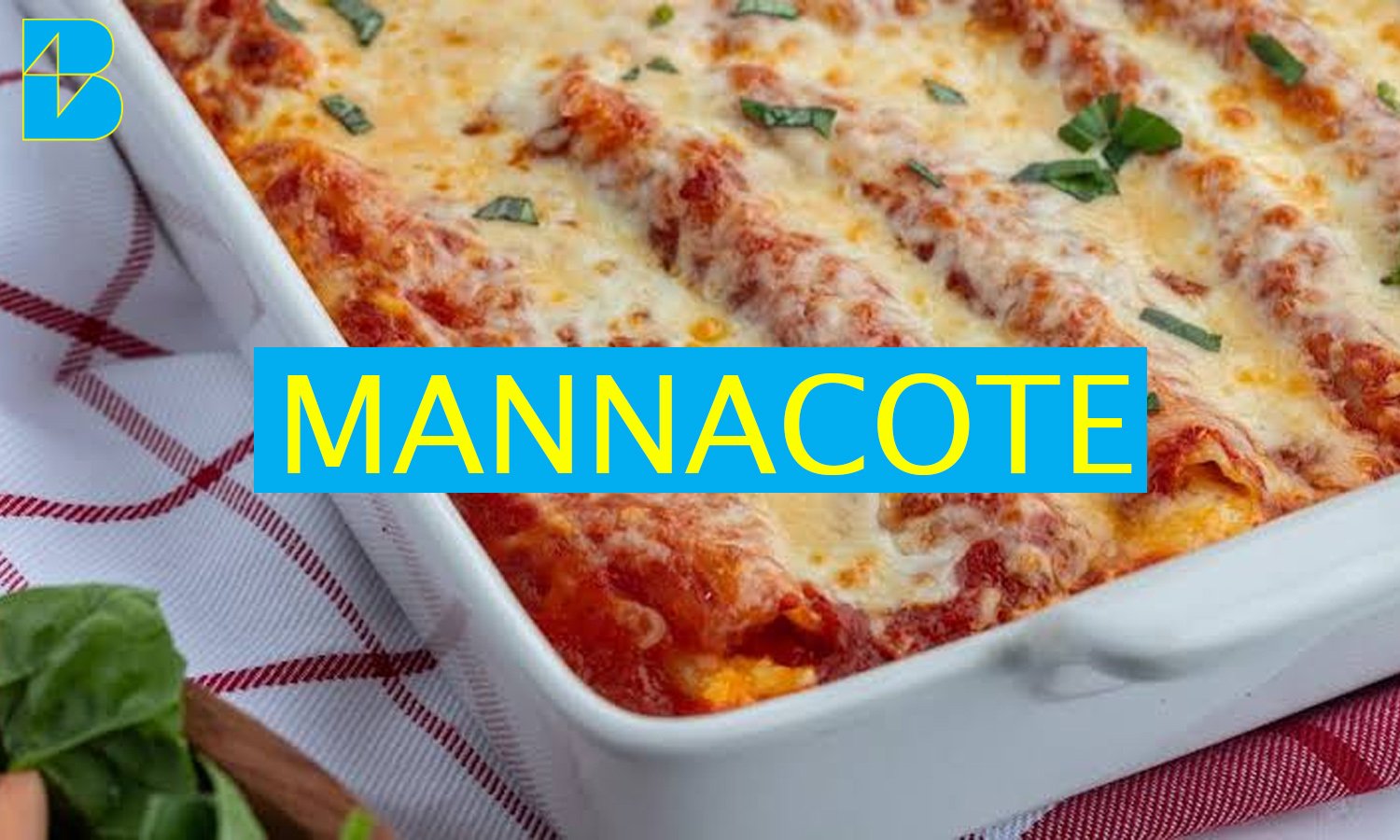
Mannacote is a baked stuffed pasta dish that most people know as manicotti. You may have heard the word at a family dinner, seen it on a local menu, or found it in an online recipe, and then wondered if it is a real pasta name. This guide gives you a clear answer. You will learn what the word means, where the dish comes from, what goes inside, and how to make it at home. You will also find simple tips for storing leftovers safely. Read on, and you will feel ready to cook, order, or talk about mannacote with confidence.
What Does Mannacote Mean?
Mannacote is an informal spelling of manicotti, the large pasta tubes that cooks fill with cheese and bake in tomato sauce. Home cooks, family recipe cards, and many food websites use this spelling. It shows how people often write a word the way they hear it.
Picture an Italian American grandmother who says “mannacote” at the dinner table. She almost always means the same cheesy, saucy dish that restaurant menus call manicotti. The sound changes a little from family to family and from town to town. That is why you may see several spellings, such as manicot, manicotti, and mannacote.
All of these words point to the same comfort food: soft pasta wrapped around a creamy filling and baked under red sauce and melted cheese. If you search for any of these spellings, you will find very similar recipes.
Is Mannacote a Real Italian Pasta Name?
Mannacote is not a formal pasta name, and it is not a separate pasta shape. Major dictionaries list manicotti, not mannacote. The spelling lives mostly in family kitchens, local menus, and the internet.
That does not make the word wrong or bad. Food names change as families move, share recipes, and pass them down by voice. Think of mannacote as a friendly nickname for manicotti.
Here is a simple rule that works well. Use “manicotti” when you shop, write a formal menu, or look up a dictionary entry. Use “mannacote” when you follow a family recipe, talk with relatives, or read a local menu that spells it that way.
Where Does the Name Manicotti Come From?
The name manicotti comes from the Italian word manicotto, which means muff, and from manica, which means sleeve. Dictionary.com notes that English speakers began using the word around 1945 to 1950. Both the muff and the sleeve describe the same idea: a wide tube that wraps around something.
The dish itself has a mixed history. Italy has a long tradition of rolled and stuffed pasta, and cannelloni is the best known example. Italian American cooks later created their own version. Dictionary.com explains that using dried pasta tubes for this dish was an Italian American invention. In Italy, the traditional version uses fresh crepes, which Italians call crespelle.
Wikipedia adds that older generations of Italian Americans often used crepes instead of dried tubes, and that dried tubes have become more common in modern Italian American cooking. The dish is especially popular in the northeastern United States, where many Italian Americans have southern Italian roots.
So when you eat mannacote, you taste a story of migration. Families brought their cooking traditions to a new country, used the ingredients they found there, and created a dish that now feels at home in both places.
What Does Mannacote Look and Taste Like?
Mannacote looks like a row of thick pasta tubes, covered in red sauce and topped with golden, bubbly cheese. Each dried tube is usually about four inches long and about one inch wide, with ridges along the sides. The ridges help the sauce stick to the pasta.
The taste is mild, creamy, and comforting. The ricotta filling tastes soft and slightly sweet. The mozzarella adds a stretchy, milky bite, and Parmesan adds a salty, nutty kick. The tomato sauce brings a bright, tangy flavor that balances all the cheese.
The texture is just as important. A good mannacote has tender pasta on the outside and a smooth, thick filling on the inside. When you cut into a tube with a fork, the filling should hold its shape and not run all over the plate.
What Is Inside Mannacote?
The classic filling is ricotta cheese mixed with chopped parsley. Many cooks also add mozzarella, grated Parmesan or Pecorino Romano, and one egg to bind everything together. A pinch of salt, black pepper, and nutmeg rounds out the flavor.
Some families add ground meat, such as veal, beef, or sausage. Others add cooked spinach for color and a fresh, earthy taste. The sauce on top is usually marinara or another tomato sauce, though some cooks use a creamy white sauce instead.
Here is a quick look at the most common parts of a mannacote dish:
- The pasta: Large dried tubes, or fresh rolled crepes in older family recipes.
- The filling: Ricotta, mozzarella, Parmesan, egg, and herbs.
- The sauce: Marinara or tomato sauce, sometimes white sauce.
- The topping: More mozzarella and Parmesan that melt and brown in the oven.
How Is Mannacote Different From Cannelloni?
Mannacote and cannelloni are very close cousins, and the main difference comes from where each dish started. Cannelloni is the Italian dish. The word means “large reeds,” and cooks make it by rolling pasta sheets around a filling. Popular fillings include spinach and ricotta or minced beef, according to Wikipedia.
Manicotti, and so mannacote, is the American version. Wikipedia suggests the original difference was in the pasta. Cannelloni uses sheets that wrap around the filling, while manicotti uses ready made cylinders that cooks fill from one end.
The filling also shapes how people name the dish. Some sources say a version with a strictly meat filling belongs under the cannelloni name, while a ricotta filling fits manicotti. In real kitchens, though, people use these names loosely. If you taste both side by side, you will find the two dishes very similar.
How Is Mannacote Different From Lasagna and Stuffed Shells?
Mannacote uses individual filled tubes, while lasagna uses flat noodles stacked in layers. When you serve lasagna, you cut a square from the pan. When you serve mannacote, you lift out whole tubes, which makes each portion easy to see and easy to count.
Stuffed shells are another close relative. Both dishes use a ricotta based filling and a tomato sauce, and both bake until bubbly. The difference is the shape. Shells are small and curved, so they hold a smaller scoop of filling. Mannacote tubes are longer, so each one holds more filling and feels more like a main course.
If you love lasagna but want a dish that feels a little less heavy and a little easier to portion, mannacote is a great choice.
What Ingredients Do You Need to Make Mannacote?
You need about a dozen pantry and dairy items to make a classic cheese mannacote at home. This recipe makes about 12 to 14 tubes and serves six people.
For the pasta and sauce:
- 1 box (8 ounces) dried manicotti shells
- 3 cups marinara sauce (about one 24 ounce jar)
For the filling:
- 15 ounces whole milk ricotta cheese
- 2 cups shredded mozzarella cheese, divided
- 1/2 cup grated Parmesan cheese, divided
- 1 large egg
- 2 tablespoons chopped fresh parsley
- 1/2 teaspoon salt
- 1/4 teaspoon black pepper
- A small pinch of ground nutmeg (optional)
Tools:
- A 9 by 13 inch baking dish
- A large pot
- A mixing bowl
- A zip top bag or a small spoon for filling the tubes
- Aluminum foil
Choose whole milk ricotta when you can. It gives a creamier filling than the low fat kind, and it holds together better in the oven.
How Do You Make Mannacote Step by Step?
You can make mannacote in about 75 minutes, and most of that time is hands off baking. Follow these steps for a creamy, golden result.
- Heat the oven. Set your oven to 350°F. Spread 1 cup of marinara sauce across the bottom of the baking dish. This thin layer keeps the pasta from sticking and helps the tubes soften as they bake.
- Boil the shells. Cook the manicotti shells in a large pot of salted boiling water. Pull them out about two minutes before the package time ends. They should bend easily but still feel firm. Drain them and rinse with cool water so you can handle them.
- Dry the shells. Lay the shells in a single layer on a tray or sheet of parchment paper. This step stops them from sticking together and tearing.
- Mix the filling. In a bowl, stir together the ricotta, 1 cup of mozzarella, 1/4 cup of Parmesan, the egg, parsley, salt, pepper, and nutmeg. Mix until the filling looks smooth and even.
- Fill the tubes. Spoon the filling into a zip top bag and cut off one corner. Squeeze the filling into each shell from one end, then the other, until the tube feels full. If you do not have a bag, use a small spoon and fill each tube gently.
- Arrange the tubes. Place the filled shells side by side in the baking dish. Pour the rest of the sauce over the top, covering the pasta well. Sprinkle the remaining mozzarella and Parmesan over the sauce.
- Bake covered. Cover the dish with foil and bake for 30 minutes.
- Bake uncovered. Remove the foil and bake for 10 to 15 more minutes. The sauce should bubble at the edges, and the cheese should turn golden.
- Rest and serve. Let the dish sit for 5 to 10 minutes. This short rest helps the filling set. Add fresh basil or extra parsley on top if you like.
What Are Popular Mannacote Variations?
Cooks change mannacote in many ways, and each variation keeps the same basic idea of a stuffed tube baked in sauce. Here are some ideas to try once you master the classic version.
- Spinach mannacote: Squeeze cooked spinach very dry, chop it, and stir it into the ricotta filling.
- Meat mannacote: Brown ground beef, veal, or Italian sausage, drain the fat, and mix it into the filling or the sauce.
- Chicken and white sauce mannacote: Fill the tubes with cooked chicken and cheese, then bake them under a creamy white sauce instead of tomato.
- Vegetable mannacote: Add roasted peppers, mushrooms, zucchini, or eggplant. Cook the vegetables first so they do not release water in the oven.
- Crepe style mannacote: Make thin crepes, fill them with the cheese mixture, roll them up, and bake them in sauce. This is the older style that many Italian American families still love.
- Gluten free mannacote: Use gluten free tubes and follow the package directions, since cooking times vary by brand.
How Can You Fix Common Mannacote Problems?
Most mannacote problems have simple fixes, and a few small habits will prevent them. Here are the issues cooks mention most often.
The shells tear while boiling or filling. Do not overcook them. Pull them from the water while they are still firm, and handle them gently. Boil a few extra shells so you have backups.
The filling turns watery. Ricotta often holds extra liquid. Drain it in a fine mesh strainer for about 30 minutes before you mix the filling. If you add spinach or other vegetables, squeeze out as much water as you can.
The pasta stays hard in places. Dry pasta needs moisture to finish cooking in the oven. Cover every tube with sauce, and keep the foil on for the first 30 minutes.
The top browns too fast. Keep the dish covered longer, or move the rack to the middle of the oven. Remove the foil only for the final minutes.
The dish tastes bland. Salt the pasta water, season the filling, and use a sauce you enjoy. Fresh Parmesan and a little fresh parsley add a lot of flavor for very little work.
How Do You Store and Reheat Mannacote Safely?
Refrigerate leftover mannacote within two hours of cooking, or within one hour if the room temperature is above 90°F. The USDA Food Safety and Inspection Service gives this guidance for all perishable foods. Bacteria grow fastest between 40°F and 140°F, and they can double in number in as little as 20 minutes.
Follow these simple steps to keep your leftovers safe and tasty:
- Cool it quickly. Move the leftovers into shallow containers so they chill faster.
- Keep your fridge cold. Set the refrigerator to 40°F or below and the freezer to 0°F or below. An appliance thermometer helps you check.
- Eat within three to four days. The USDA lists this time for refrigerated leftovers, including casseroles.
- Freeze for later. Frozen leftovers keep their best quality for about two to three months. Wrap the dish tightly or use freezer safe containers.
- Thaw safely. Thaw frozen mannacote in the refrigerator, in cold water, or in the microwave. Never thaw it on the counter.
- Reheat fully. Heat leftovers to an internal temperature of 165°F. Use a food thermometer and check more than one spot, since microwaves can heat unevenly.
If you want to cook ahead, you can assemble the dish, cover it, and keep it in the refrigerator before baking. Plan on a few extra minutes in the oven since the dish starts cold, and make sure the center is hot and bubbling before you serve it.
What Should You Serve With Mannacote?
Light, fresh sides work best with mannacote because the main dish already feels rich. A simple green salad with a sharp lemon dressing cuts through the cheese and refreshes your palate.
Here are a few other good partners:
- Garlic bread or crusty Italian bread to soak up extra sauce
- Roasted broccoli or green beans with olive oil and a little lemon
- Sautéed spinach or broccoli rabe with garlic
- A bowl of fresh fruit for a light dessert
For a holiday table, mannacote also works well as a make ahead main dish. You can prepare it earlier in the day and bake it just before your guests arrive, which leaves you more time to enjoy the party.
Where Can You Find Mannacote?
You can find mannacote in the freezer aisle, in the pasta aisle, and on restaurant menus under its more common name. Most grocery stores sell dried manicotti shells in the pasta aisle, and many carry frozen, ready to bake stuffed manicotti in the freezer section.
When you search online, try both spellings. A search for “mannacote recipe” and a search for “baked manicotti recipe” will show you plenty of ideas. On restaurant menus and delivery apps, you will see manicotti most often, but some local places use the mannacote spelling.
If a menu item is unclear, ask what the filling is. Most versions use ricotta and mozzarella, but some restaurants use meat, spinach, or chicken. A quick question helps you get the dish you want, and it also helps if you or a guest has a food allergy.
Conclusion
Mannacote is a friendly, informal name for manicotti, the stuffed pasta tubes that Italian American families bake with cheese and tomato sauce. The word may not appear in dictionaries, but the dish is real, easy to make, and loved by many. Use the recipe above, choose your favorite filling, and store leftovers with care. Whether you call it mannacote or manicotti, you will enjoy a warm, cheesy dinner that feels like home.
Frequently Asked Questions
Is mannacote the same as manicotti?
Yes, in most cases. Mannacote is an informal spelling of manicotti, the large pasta tubes that cooks stuff with cheese and bake in sauce. Dictionaries list only manicotti, so use that spelling in formal writing. Use mannacote when you follow a family recipe or read a local menu that spells it that way.
What is mannacote filled with?
Most cooks fill mannacote with ricotta, mozzarella, Parmesan, egg, and parsley. Some versions add cooked spinach, ground beef, sausage, or chicken. The filling should taste mild and creamy, so the tomato sauce and the baked cheese on top add the bold flavor that makes the dish so satisfying.
How long should you bake mannacote?
Bake mannacote covered at 350°F for about 30 minutes, then uncovered for 10 to 15 more minutes. The sauce should bubble at the edges, and the cheese should turn golden. If you bake the dish straight from the refrigerator, add a few extra minutes and check that the center is hot.
Can you freeze mannacote?
Yes. Cool the dish quickly, wrap it tightly, and freeze it at 0°F or below. The USDA says leftovers keep their best quality for about two to three months in the freezer. Thaw the dish in the refrigerator, then reheat it until the center reaches 165°F.
What is the difference between mannacote and cannelloni?
Cannelloni is the Italian dish of rolled pasta sheets, often filled with spinach and ricotta or meat. Mannacote, like manicotti, is the Italian American version, which usually uses ready made tubes and a cheese filling. Both dishes bake in sauce and taste very similar, so many cooks use the names loosely.