Who Is Roderick Jeffrey Watts? The Quiet Life Story of Isabel Wilkerson’s Husband

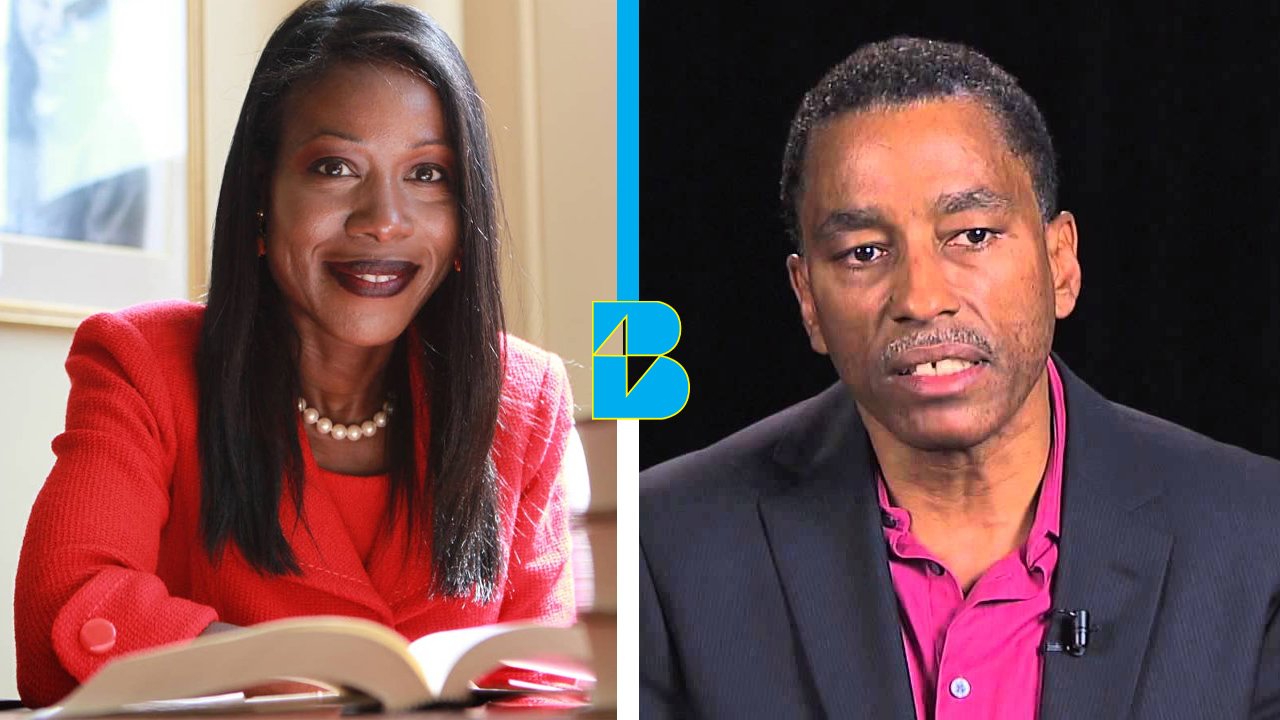
Roderick Jeffrey Watts is a name that many readers first encounter through his connection to Isabel Wilkerson, the Pulitzer Prize-winning journalist and bestselling author of The Warmth of Other Suns and Caste: The Origins of Our Discontents. Yet reducing Watts to a footnote in his wife’s biography does him a disservice. He is an accomplished clinical-community psychologist, university professor, and social justice advocate whose academic work has shaped how scholars understand race, identity, and empowerment in America. This article looks beyond the headlines to explore who Roderick Jeffrey Watts really is, tracing his family background, education, career, and the quiet but meaningful partnership he built with one of America’s most celebrated writers.
Quick Bio Table
| Category | Details |
|---|---|
| Full Name | Roderick Jeffrey Watts |
| Profession | Psychologist, professor, author, social justice advocate |
| Field of Study | Clinical-Community Psychology |
| Known For | Research on social identity, community empowerment and African American youth development |
| Spouse | Isabel Wilkerson (married 1989, Fort Washington, Maryland) |
| Wife’s Profession | Journalist and author, Pulitzer Prize winner |
| Father’s Occupation | Health planner, New York State Department of Health |
| Mother’s Occupation | Office manager, Black Dimensions |
| Notable Institutions | City University of New York Graduate Center, DePaul University, Stellenbosch University |
| Notable Publication | Co-editor, Human Diversity: Perspectives |
| Nationality | American |
| Public Profile | Low-key; rarely gives media interviews |
Early Life and Family Background
Roderick Jeffrey Watts was raised in a household where conversations about race, fairness, and community responsibility were part of everyday life. His father worked as a health planner for the New York State Department of Health, a role that placed him at the intersection of public policy and community welfare. His mother worked as an office manager for Black Dimensions, an organisation connected to African American culture and identity.
Growing up surrounded by these influences gave Watts an early appreciation for the ways social systems affect people’s everyday lives and mental wellbeing. Detailed information about his childhood, schooling, and early years remains limited, as Watts has always kept a private profile and avoided media attention. What is clear from the available record is that his family’s commitment to social awareness shaped the direction he would later take in his own career.
This upbringing planted the seeds for a lifelong interest in psychology, particularly the ways it intersects with community structures and systemic inequality. Rather than pursuing a public-facing career, Watts chose academia and research, a path that allowed him to influence change through scholarship and mentorship rather than the spotlight.
Education and Academic Training
Watts pursued advanced study in psychology, ultimately earning a doctorate in Clinical-Community Psychology. This specialised field blends traditional clinical psychology with an emphasis on how community environments, social structures, and systemic factors shape mental health outcomes.
His academic training equipped him to examine subjects that many traditional psychologists overlooked, including social identity, oppression, and the psychological effects of racial inequality. This grounding shaped nearly four decades of research, teaching, and advocacy work that followed.
Throughout his studies, Watts developed a particular interest in personality psychology as it relates to African American men’s development. This focus would later become a defining thread running through his academic publications and community programmes.
Career and Professional Contributions
Roderick Jeffrey Watts built a respected academic career centred on the connection between psychology and social justice. He has held teaching and research positions at several notable institutions, including the City University of New York Graduate Center, DePaul University, and Stellenbosch University in South Africa.
His research explores how systemic inequality and social identity affect psychological wellbeing, particularly among African American youth. Watts is widely recognised for developing empowerment-based frameworks that help young people build a stronger sense of identity while confronting the structural barriers they face. His work has influenced how community psychologists design youth leadership programmes across the United States.
Beyond his university roles, Watts co-edited the academic book Human Diversity: Perspectives, a text that examines cultural and social influences on psychological development. He also founded Action Research Associates, a consulting practice focused on advancing social justice through applied research and direct community engagement.
Colleagues in the field often describe Watts as a dedicated scholar whose influence extends well beyond published papers. Former students and collaborators credit him with mentoring a generation of researchers who now carry his empowerment-focused approach into their own careers, making his impact on community psychology as much about people as about publications.
Personal Life and Marriage to Isabel Wilkerson
Roderick Jeffrey Watts married Isabel Wilkerson in 1989 in Fort Washington, Maryland. The couple’s relationship grew from a shared commitment to social justice and a mutual interest in understanding the complexities of race and identity in America. Wilkerson, born in Washington, D.C. in 1961, went on to become one of the most respected voices in American journalism, eventually winning the Pulitzer Prize for Feature Writing and becoming the first African American woman to receive a Pulitzer in journalism.
Watts and Wilkerson have often been described as an intellectual partnership as much as a marriage. While Wilkerson used narrative journalism to document the lived experiences of Black Americans, Watts approached similar themes through the lens of psychology, giving the couple complementary perspectives on race, history, and identity. Several profiles note that the pair supported one another’s careers and occasionally crossed paths professionally, given the overlapping subject matter of their work.
It is worth noting that public records on the couple’s current marital status are inconsistent. Some sources continue to describe Watts as Wilkerson’s husband, while others refer to him as her former husband, suggesting the marriage may have ended in divorce at some point. Because Watts maintains such a private profile, verified, up-to-date details about the current state of the relationship are difficult to confirm through public sources.
Regardless of the couple’s present-day status, their years together represented a partnership rooted in shared values, and Watts is frequently credited with quietly supporting Wilkerson’s rise as one of America’s foremost chroniclers of Black history.

Personal Philosophy and Interests
Watts has built his career around a simple but powerful idea: psychology should serve as a tool for real social change, not just academic theory. He has consistently argued that mental health cannot be separated from the social systems people live within, a philosophy that runs through nearly all of his published research.
Outside his professional commitments, Watts is known to enjoy reading and music, treating both as essential outlets for his own wellbeing. Those who have worked alongside him describe a man who prefers substance over spotlight, choosing to let his research and mentorship speak for themselves rather than seeking public recognition.
His low media profile has meant that much of what is known about his personal interests comes from colleagues and occasional public appearances alongside Wilkerson, rather than from interviews or personal disclosures.
Legacy and Continuing Influence
Roderick Jeffrey Watts’ contributions to community psychology continue to shape how scholars and practitioners think about identity, empowerment, and systemic change. His empowerment-based models for youth development remain widely referenced in academic literature, and his teaching has influenced students who have gone on to lead their own research and advocacy initiatives.
Rather than pursuing fame, Watts built a legacy through consistent, substantive work: decades of teaching, published research, and community-based programmes designed to give young people the psychological tools to navigate a world shaped by inequality. His story stands as a reminder that meaningful impact does not always require a public spotlight.
Conclusion
Roderick Jeffrey Watts is far more than “Isabel Wilkerson’s husband.” He is a dedicated psychologist and educator whose decades of research have deepened our understanding of how social systems shape mental health, particularly for African American communities. While he has always preferred to work quietly, away from public attention, his contributions to community psychology and his enduring partnership with one of America’s great storytellers together form a legacy built on substance, purpose, and quiet impact.
Frequently Asked Questions
1. Who is Roderick Jeffrey Watts?
Roderick Jeffrey Watts is an American clinical-community psychologist, professor, and social justice advocate known for his research on identity, empowerment, and social inequality.
2. What is Roderick Jeffrey Watts known for?
He is known for blending psychology with social justice work, co-editing the book Human Diversity: Perspectives, and developing empowerment-based programmes for African American youth.
3. Is Roderick Jeffrey Watts married to Isabel Wilkerson?
The two married in 1989 in Fort Washington, Maryland. Some sources still describe him as her husband, while others refer to him as her former husband, so their current marital status is not consistently confirmed in public records.
4. What did Roderick Jeffrey Watts study?
Watts earned a doctorate in Clinical-Community Psychology, a field that combines clinical practice with the study of how community and social structures affect mental health.
5. Where has Roderick Jeffrey Watts taught?
He has held teaching and research positions at the City University of New York Graduate Center, DePaul University, and Stellenbosch University in South Africa.
6. What is Action Research Associates?
Action Research Associates is a consulting practice founded by Watts that focuses on promoting social justice through applied research and direct community engagement.
7. What was Roderick Jeffrey Watts’ family background?
His father was a health planner for the New York State Department of Health, and his mother worked as an office manager for Black Dimensions, an organisation tied to African American culture and identity.
8. Does Roderick Jeffrey Watts have children?
Public information about Watts’ children, if any, has not been disclosed, as he keeps his personal life largely private.
9. Why does Roderick Jeffrey Watts keep a low public profile?
Watts has consistently chosen to focus on his academic and community work rather than public attention, appearing mainly at academic events or occasionally alongside Isabel Wilkerson.
10. What is Roderick Jeffrey Watts’ main contribution to psychology?
His main contribution lies in empowerment-based research and youth leadership models that connect psychological wellbeing to social identity and systemic inequality, work that continues to influence community psychology today.